
At Global Adventures, we believe getting scuba certified should be more than checking a box it should change how you experience the ocean and how you travel the world. Utila Bay Islands, Honduras has earned global recognition as one of the best places to get scuba diving certified, not because it is flashy or expensive, but because it consistently delivers high-quality training in an environment that truly supports learning.
Utila is where many divers take their very first breath underwater and where others decide to go further, deeper, and longer than they ever planned.
Why Utila Is One of the World’s Best Places to Get Scuba Certified
Utila stands apart from other dive destinations because certification here feels accessible rather than intimidating. The island combines calm Caribbean waters, professional instruction, and a traveler-friendly atmosphere that makes learning to dive both achievable and enjoyable.
At Global Adventures, we see Utila succeed as a certification destination because:
Diving is part of daily island life
Courses are paced for real understanding
Students are surrounded by other learners
This creates an environment where confidence builds naturally.
 Calm Waters That Support Learning
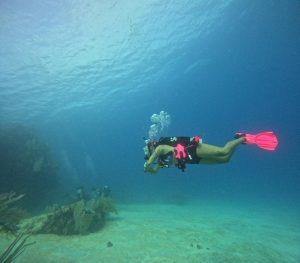
One of the biggest factors in choosing where to get scuba certified is water conditions. Utila benefits from warm temperatures, generally good visibility, and manageable currents, which are ideal for beginners.
For students, this means:
Less stress during first dives
Better focus on technique and safety
More enjoyable underwater experiences
We believe calm conditions allow students to learn skills properly instead of rushing through them.
A Learning-Focused Diving Culture
Unlike destinations where diving feels like a commercial add-on, Utila revolves around it. Dive shops, instructors, and students are part of the same daily rhythm.
This learning-focused culture encourages:
Questions without pressure
Repetition without embarrassment
Skill development at a comfortable pace
At Global Adventures, we value destinations where education is respected, not rushed.
Certification Options Available in Utila
Utila offers a full range of internationally recognized scuba certifications, making it suitable for both beginners and advancing divers.
Common certification paths include:
Entry-level open water certifications
Advanced training courses
Professional-level dive programs
This variety allows divers to start or continue their journey in one place.
Why Beginners Thrive in Utila
Utila is especially popular with first-time divers, and for good reason.
Beginners benefit from:
Supportive peer groups
Instructors accustomed to teaching new divers
Multiple training dives in a short period
At Global Adventures, we often recommend Utila to travelers nervous about starting, because the island removes much of the intimidation.
 Training That Feels Personal, Not Mechanical
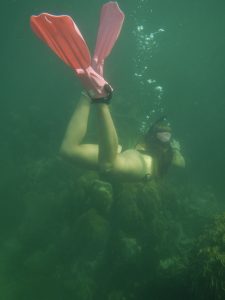
Certification in Utila rarely feels like an assembly line. Smaller class sizes and extended time in the water allow instructors to tailor lessons to individual needs.
Students often experience:
One-on-one feedback
Extra practice when needed
Clear explanations without pressure
We believe this personalized approach is one of Utila’s strongest advantages.
The Social Side of Getting Certified
One unique aspect of getting scuba certified in Utila is the social environment surrounding training.
Students often:
Train alongside other travelers
Share accommodations and meals
Continue diving together after certification
At Global Adventures, we see this social layer as a major reason people remember their Utila certification so vividly.
Learning Without Feeling Rushed
Time pressure is one of the biggest challenges in scuba training elsewhere. Utila’s slower pace allows students to absorb information fully.
Benefits of this pace include:
Better retention of safety procedures
Increased underwater confidence
A stronger foundation for future dives
Certification becomes an experience, not a race.
Affordable Certification Without Cutting Corners
Utila is known for being more affordable than many other Caribbean dive destinations, but lower cost does not mean lower standards.
Affordability comes from:
Competition between dive shops
Lower operational costs
Long-stay student models
At Global Adventures, we stress that affordability should enhance access—not compromise safety or quality.
Instructors Who Specialize in Teaching
Many instructors in Utila are not just divers—they are educators who specialize in teaching certification courses repeatedly throughout the year.
This means:
Clear explanations of complex concepts
Patience with nervous students
Strong emphasis on safety and comfort
We believe instructor experience with beginners is just as important as dive site quality.
Building Confidence Underwater
Confidence is the true outcome of certification, not just a card.
Utila supports confidence building by:
Offering multiple practice dives
Allowing students to progress gradually
Encouraging questions and discussion
At Global Adventures, we consider confidence the most valuable takeaway from any certification.
 Marine Life That Motivates Learning
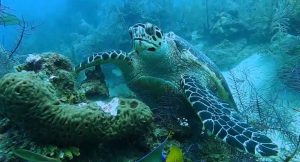
Utila’s marine environment provides immediate rewards for new divers.
Students often encounter:
Coral reefs close to shore
Tropical fish and reef life
Clear conditions that enhance visibility
These encounters reinforce excitement and motivation during training.
What a Typical Certification Experience Feels Like
While every diver’s experience is unique, certification in Utila often follows a comfortable rhythm.
Days may include:
Morning theory sessions
Afternoon training dives
Evenings spent reviewing and socializing
This balance prevents burnout and keeps learning enjoyable.
Certification as a Gateway to Long-Term Diving
Many travelers who get certified in Utila do not stop there.
Utila often becomes:
A base for advanced training
A starting point for professional paths
A long-term diving hub
At Global Adventures, we see Utila as a place where diving journeys often begin—and continue.
Getting Certified While Traveling Solo
Utila is particularly well-suited for solo travelers seeking certification.
Solo students benefit from:
Built-in social groups during courses
Shared learning experiences
A supportive island atmosphere
Certification becomes a shared journey, even when traveling alone.
Physical and Mental Preparation
Getting certified does not require peak fitness, but preparation helps.
We recommend:
Basic swimming comfort
Openness to learning
Willingness to communicate concerns
At Global Adventures, we believe mindset matters more than experience.
Safety Standards and Professional Oversight
Safety is central to scuba training in Utila.
Professional dive operations emphasize:
Proper equipment use
Conservative dive planning
Clear emergency protocols
Students are encouraged to understand safety rather than memorize it.
Beyond Certification: Diving as a Lifestyle
For many travelers, certification in Utila marks a shift in how they travel.
After certification, divers often:
Choose destinations based on dive access
Develop environmental awareness
Build global dive communities
At Global Adventures, we see certification as the beginning of a new way of exploring the world.
When Is the Best Time to Get Certified in Utila?
Utila offers year-round diving opportunities, with seasonal variations affecting weather and visibility.
Choosing timing depends on:
Travel flexibility
Crowd preferences
Personal schedules
Certification remains available throughout the year.
Who Utila Is Best For
Utila is ideal for travelers who:
Want a relaxed learning environment
Value experience over luxury
Prefer community-driven travel
It may not suit those seeking fast, luxury-focused certification experiences.
Common Misconceptions About Getting Certified in Utila
Some travelers assume affordability means lower quality. In Utila, the opposite is often true.
The island proves that:
High standards can be accessible
Learning can be enjoyable
Certification can feel meaningful
At Global Adventures, we encourage travelers to look beyond assumptions.
Planning Your Certification Trip
Successful certification trips start with flexibility.
We recommend:
Allowing extra days
Staying open to extending your stay
Choosing learning over speed
Utila rewards patience.
Final Thoughts from Global Adventures
At Global Adventures, we believe getting scuba diving certified in Utila Bay Islands is one of the most approachable, rewarding, and confidence-building ways to enter the underwater world.
Utila combines calm conditions, skilled instruction, and a supportive traveler community into an experience that goes far beyond certification paperwork. For those ready to take their first step beneath the surface or to deepen their relationship with the ocean Utila Bay Islands remains one of the world’s most compelling places to begin.
At Global Adventures, we believe learning how to scuba dive is one of the most empowering skills a traveler can acquire. Scuba certification doesn’t just unlock underwater worlds it changes how you experience oceans, travel destinations, and even yourself. Yet for many first-time divers, the process feels confusing or intimidating.
This guide breaks down exactly how to get scuba diving certified, what to expect at every stage, and how to choose the right path so your certification is safe, meaningful, and truly enjoyable.
What Does It Mean to Be Scuba Diving Certified?
Scuba diving certification means you’ve completed formal training with a recognized diving organization and demonstrated the knowledge and skills required to dive safely.
Certification allows you to:
Dive independently (with a buddy)
Rent scuba equipment
Join guided dives worldwide
At Global Adventures, we emphasize that certification is not just permission it’s preparation.
 Who Can Get Scuba Diving Certified?
Most people can get scuba certified, regardless of prior experience.
In general, you need:
Basic swimming ability
Reasonable physical health
Comfort in water
Age requirements vary, but many programs accept students from around 10 years old with parental consent.
 Step 6: Open Water Dives
 How Much Does Scuba Certification Cost?